Household Budgeting: Managing Your Income in Malaysia
Learn how average Malaysian households allocate spending across housing, food, transport, and healthcare. Includes budget templates and real examples from different income levels.

Why Household Budgeting Matters in Malaysia
Managing money isn’t about being restrictive. It’s about knowing where your ringgit actually goes. Whether you’re earning RM2,500 or RM8,000 monthly, you’ve probably wondered if you’re spending on the right things. Most Malaysian families don’t have a structured plan — they just spend, then check their balance at the end of the month and wonder where it all went.
The truth? Once you understand your income patterns and essential expenses, budgeting becomes straightforward. You’re not cutting corners or living on instant noodles forever. You’re making intentional choices about how to allocate your money so you can actually build something — whether that’s an emergency fund, a property down payment, or simply breathing easier at month-end.

The 50/30/20 Budget Framework for Malaysia
We’re not inventing something new here. The 50/30/20 rule is simple: allocate 50% to needs, 30% to wants, and 20% to savings and debt repayment. But here’s the thing — Malaysia’s cost structure is different from the U.S. or Europe. Your “50%” might look different depending on where you live and your income level.
For someone earning RM3,500 monthly in Kuala Lumpur, 50% goes to housing, utilities, and groceries — that’s roughly RM1,750. For someone earning RM6,000, that same percentage gives more flexibility. The framework stays the same, but the actual numbers shift based on your circumstances. That’s why we’ll show you how to adapt this to real Malaysian life, not some generic Western budget guide.
- Needs (50%): Rent or mortgage, utilities, groceries, transport, insurance, phone bills
- Wants (30%): Dining out, entertainment, hobbies, subscriptions, shopping
- Savings & Debt (20%): Emergency fund, investments, loan repayments, retirement contributions

Real Budget Examples: Different Income Levels
Let’s get specific. These aren’t made-up numbers — they’re based on actual cost surveys across Malaysia for 2025-2026.
Entry Level: RM2,500/month
Single, living in a shared apartment
- Rent/utilities: RM1,100 (44%)
- Food & groceries: RM400 (16%)
- Transport: RM250 (10%)
- Phone & misc: RM150 (6%)
- Wants (entertainment, dining): RM400 (16%)
- Savings: RM200 (8%)
Mid-Level: RM5,000/month
Married couple, one child, house mortgage
- Mortgage/property tax: RM2,000 (40%)
- Utilities & insurance: RM400 (8%)
- Groceries & food: RM700 (14%)
- Transport & fuel: RM400 (8%)
- Wants: RM800 (16%)
- Savings & emergency fund: RM700 (14%)
Upper-Middle: RM8,500/month
Family of 4, dual income, established home
- Mortgage/rent: RM3,000 (35%)
- Utilities, insurance, maintenance: RM650 (8%)
- Groceries & household: RM1,200 (14%)
- Transport (2 vehicles): RM800 (9%)
- Wants & activities: RM2,000 (24%)
- Savings & investments: RM850 (10%)
Breaking Down Major Expense Categories
Housing consistently takes the biggest slice. In Kuala Lumpur, you’re looking at 35-45% of income for rent or mortgage. Outside major cities — Johor Bahru, Petaling Jaya, Shah Alam — you might spend 25-35%. The variation is massive, and it’s usually your first priority to settle before budgeting everything else.
Food is the second largest category, typically 12-18% depending on household size. A family of four spends more on groceries than a single person, obviously. But here’s a practical tip: meal planning cuts grocery bills by 15-25%. You’re not going on an extreme diet. You’re just deciding what you’ll cook before you hit the supermarket instead of wandering aisles buying things you’ll forget about.
Transportation deserves its own line item. If you’re paying a car loan plus fuel, maintenance, and parking, you’re easily at RM600-1,000 monthly. Public transport users spend RM150-300. If you’re thinking about a car purchase, this number matters for your budget — it’s not just the monthly payment.
5 Practical Steps to Start Your Budget Today
Don’t overthink this. You don’t need fancy software or apps. Pen and paper work fine. Here’s what to do:
Track Every Expense for One Month
Write down or note everything you spend. Kopi, grab food, online shopping, electricity bill — everything. You’ll probably be surprised. Most people underestimate their discretionary spending by 30-40%.
Categorize Into Needs, Wants, and Savings
Go through that month of expenses and sort them. Be honest about what’s a need versus a want. That streaming subscription? Want. Electricity? Need. Eating out three times weekly? That’s partly want.
Set Realistic Targets Using the 50/30/20 Rule
Calculate what 50%, 30%, and 20% of your income actually are. If your needs are already at 65% because housing costs are high, adjust — maybe 65/25/10 for now. It doesn’t have to be perfect.
Automate Your Savings First
The moment your salary hits your account, transfer your savings amount to another account. Out of sight, out of mind. This way you’re not tempted to spend it. Even RM200-300 monthly adds up to RM2,400-3,600 yearly.
Review and Adjust Monthly
Spend 15 minutes on the last day of each month reviewing. Did you overspend on wants? Where? Can you trim something next month? This isn’t punishment — it’s learning where your habits lean.
Tools and Resources That Actually Help
You don’t need to buy anything. Honestly, a spreadsheet and discipline beat any paid app. But here’s what Malaysian households actually use:
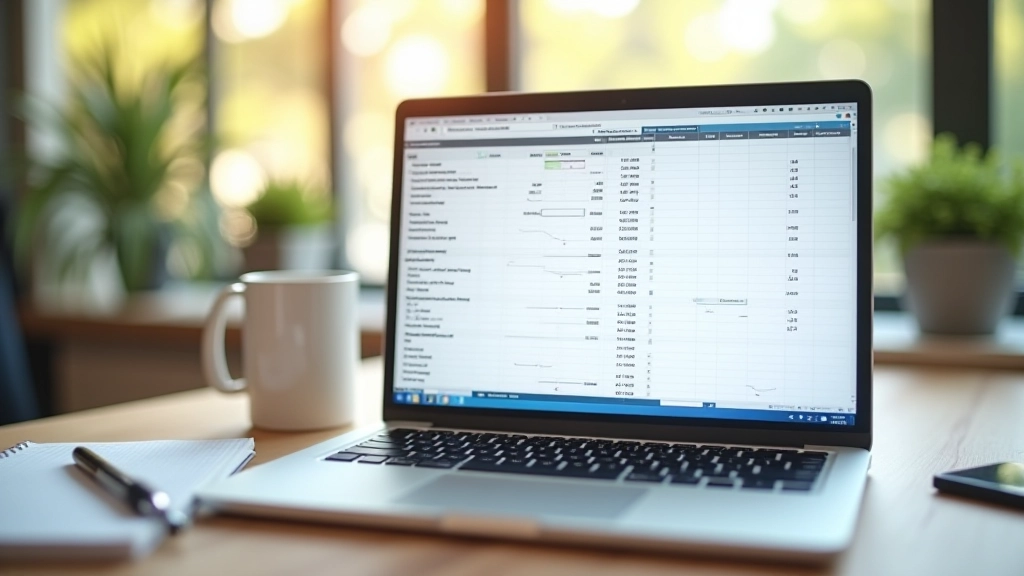
- Google Sheets or Excel: Free, shareable with spouse, works on phone and desktop. Set up categories and formulas once, update as you spend.
- Bank Apps: Most Malaysian banks now categorize your spending automatically. You’re not spending extra — just using what you already have access to.
- Envelopes (Physical or Digital): Withdraw your wants budget in cash and put it in envelopes. Sounds old-fashioned, but it works. When it’s gone, it’s gone.
- Note-taking App: Jot down expenses as they happen. Sync to your spreadsheet weekly. Takes 2 minutes.

Common Budget Challenges in Malaysia
Irregular Income
Freelancers and commission-based workers face months of feast and famine. Solution: Calculate your average monthly income over 12 months, then budget using that figure. Save the extra months in a buffer account.
Unexpected Expenses
Car repairs, medical bills, family emergencies — they happen. This is why the 20% savings allocation includes an emergency fund. Aim for 3-6 months of expenses saved before investing aggressively.
Lifestyle Creep
You get a raise, suddenly your wants budget inflates too. Resist this. When your income increases, allocate half to lifestyle improvements and half to increased savings. Your future self will thank you.
Your Budget Is Personal
There’s no perfect budget formula that works for everyone. A single person in Ipoh has different priorities than a family of six in Petaling Jaya. The 50/30/20 rule is a starting point, not a law. What matters is that you’re intentional about your money. You’re not drifting through months wondering where everything went.
Start this week. Grab a piece of paper. Write down your monthly income and list your expenses from last month. That’s it. That’s your foundation. From there, you’ll see where to trim, where to protect, and where to grow. It’s not restrictive — it’s liberating. When you know where your money goes, you get to decide what happens next.
Ready to Take Control of Your Finances?
Download a simple budget template and start tracking today. Your financial stability starts with one decision.
Explore More ResourcesDisclaimer
This article provides educational information about household budgeting and expense management in Malaysia. It’s not financial advice. Personal circumstances vary widely — your actual budget will depend on your income, location, family size, and priorities. Prices and costs mentioned reflect 2025-2026 data and may change. For personalized financial planning, especially regarding investments or debt management, we recommend consulting with a certified financial advisor. The examples provided are illustrative and based on general cost-of-living surveys, not individual cases.