
Essential Goods Pricing Across Malaysian States
Compare grocery prices, utilities, and basic necessities between Kuala Lumpur, Selangor, Penang, and other major regions. Real data on what families actually spend.
Why Pricing Varies Across Malaysia
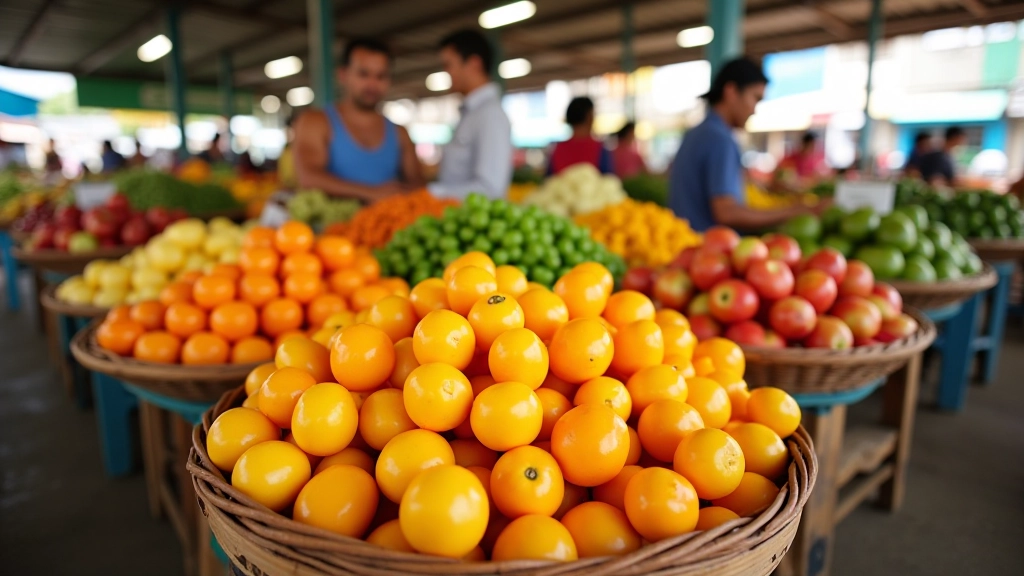
You’ll notice your grocery bill looks different depending on where you live in Malaysia. It’s not just about preference — there’s real geography and economics at play here. Kuala Lumpur prices differ from Johor, which differs from Sabah. Understanding these differences helps you make smarter purchasing decisions and understand your actual cost of living.
We’ve analyzed pricing data across seven major states to show you what’s actually happening in different regions. The variations aren’t small either. Some basic items cost 15-25% more in certain areas, while others remain relatively stable. This matters because it directly affects your household budget and purchasing power.

Price Comparison: Major States
Here’s how essential goods stack up across different regions. These’re real market prices from 2026, collected from major supermarkets and wet markets.
Note: Prices shown are average retail prices from major supermarkets. Wet market prices may vary. Data collected February 2026.
Utility Bills: Where Costs Really Differ
Electricity isn’t just about the rates — it’s about consumption patterns and climate. In Kuala Lumpur, you’re running air conditioning almost year-round. That’s different from some other regions. Here’s what typical families spend monthly on utilities.
The biggest variations come from electricity. Rural areas tend to be cheaper because consumption’s lower. Urban centers, especially KL and Selangor, see higher bills due to AC usage and appliances running constantly. It’s not about unfair pricing — it’s physics and lifestyle.
What The Numbers Actually Tell Us
Beyond the raw prices, there’s a bigger picture about purchasing power and affordability.
Regional Variations Are Real
Penang and Johor consistently show 5-8% lower prices on protein compared to KL. This compounds over a year — a family could save RM 600-800 annually just on chicken and eggs.
Wet Markets Beat Supermarkets
Traditional markets consistently offer 10-15% discounts compared to modern supermarkets. The tradeoff? Less convenience and narrower selection. Worth it if you’re budget-conscious.
Staples Stay Stable
Rice, cooking oil, and sugar show minimal variation across states — government subsidies keep these anchored. It’s the premium items that swing wildly based on supply and logistics.
Transportation Adds Cost
Sabah and Sarawak see 15-25% premiums on imported goods due to logistics. Locally produced items stay competitive. Location matters more than you’d think.
Smart Shopping Across Different Regions
Understanding price variations doesn’t just satisfy curiosity — it helps you shop smarter. Here’s what actually works in different areas of Malaysia.
Know Your Local Market
Visit the wet market at least once. Compare prices on 5-6 staples. You’ll usually find items cost 10-15% less than supermarkets. The vendors know their customers and often give discounts for regular buyers.
Check Store Promotions
Different supermarket chains run different promotions each week. Spending 10 minutes checking their apps or flyers can save you RM 30-50 on your weekly shop. It’s boring but it works.
Buy In Bulk (Strategically)
Rice, cooking oil, and non-perishables save 5-10% when bought in bulk. But only if you’ve got storage space and will actually use them. Buying 20kg of rice makes no sense if you’ll throw half away.

The Bigger Picture on Purchasing Power
Price variations across Malaysian states tell a real story about cost of living and purchasing power. It’s not just about numbers — it’s about how families budget, where they shop, and what trade-offs they make. A family in Johor genuinely spends less on groceries than one in KL, but they might pay more for housing. Everything balances out differently depending on where you live.
What matters is understanding your own local market. You don’t need to live in the cheapest state to manage your budget well. What you need is knowledge. Know where the discounts are, when prices drop, and which items are worth buying premium versus which ones aren’t. That’s how you maximize your purchasing power regardless of location.
“Shopping smart isn’t about being cheap — it’s about making conscious decisions with your money and understanding what’s actually driving the prices you pay.”
Related Articles

Household Budgeting: Managing Your Income in Malaysia
Learn how average Malaysian households allocate spending across housing, food, transportation, and utilities. Real budgeting strategies that work.
Read Article
Real Income vs Cost of Living: The Purchasing Power Gap
Analyze how wages stack up against living expenses in different sectors. Data on whether income is keeping up with inflation.
Read Article
Housing Costs and Rent Trends in Major Malaysian Cities
Housing takes up the biggest chunk of household budgets. We’ve compiled rental prices and property costs across major cities.
Read ArticleDisclaimer
This article is provided for informational and educational purposes only. Pricing information is based on market data collected in February 2026 and represents averages from major retailers and wet markets. Actual prices vary based on location, store, season, and supply conditions. This information is not intended as financial advice. Individual circumstances vary significantly — your actual cost of living depends on your lifestyle, location, and spending habits. For personalized financial guidance, consult with a financial advisor or planning professional. Prices are subject to change without notice.